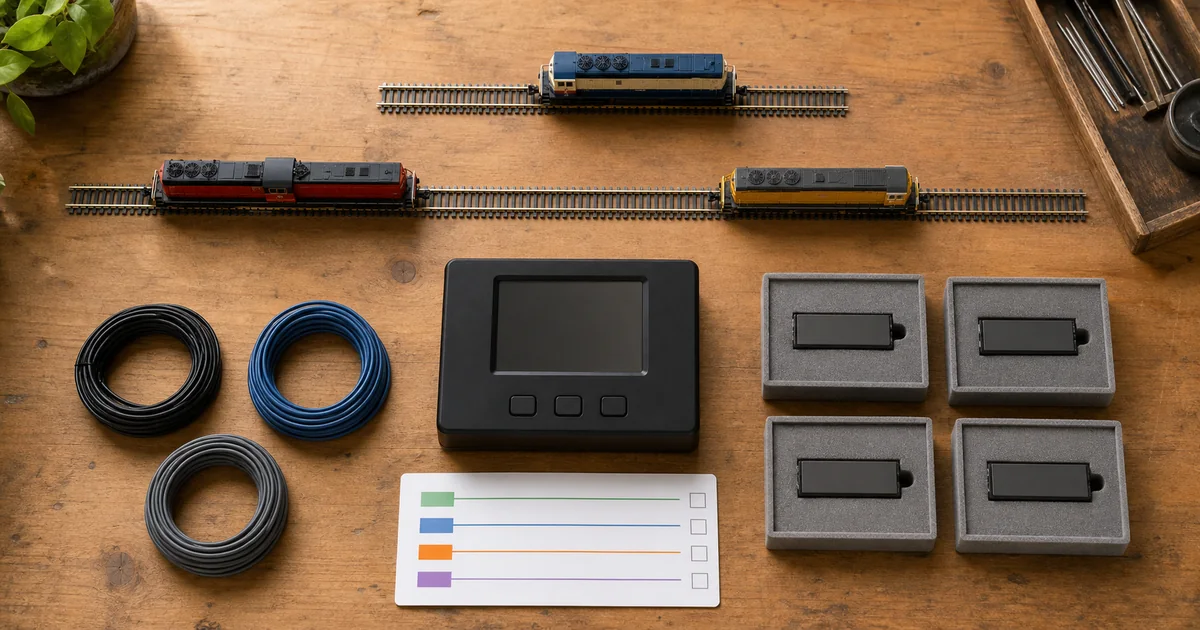
DCC programming
N Scale DCC Decoder Lock: CV15, CV16 and Multi-Decoder Safety
Compare zero-key rules, check duplicate decoder identities and record exactly which devices can accept a programming change.
Every figure here is checked against the manufacturer's own page, and where nobody publishes a number, we say so instead of inventing one.
Compare zero-key rules, check duplicate decoder identities and record exactly which devices can accept a programming change.
Preserve unrelated flags, inspect every changed bit and choose the right regression tests before programming a decoder.
Diagnose low-speed jerks, check decoder-specific feedback controls and compare repeated trials without confusing timing consistency with smoothness.
Separate speed curves from momentum, check decoder-specific brake modes and budget measured stopping travel with an explicit reserve.
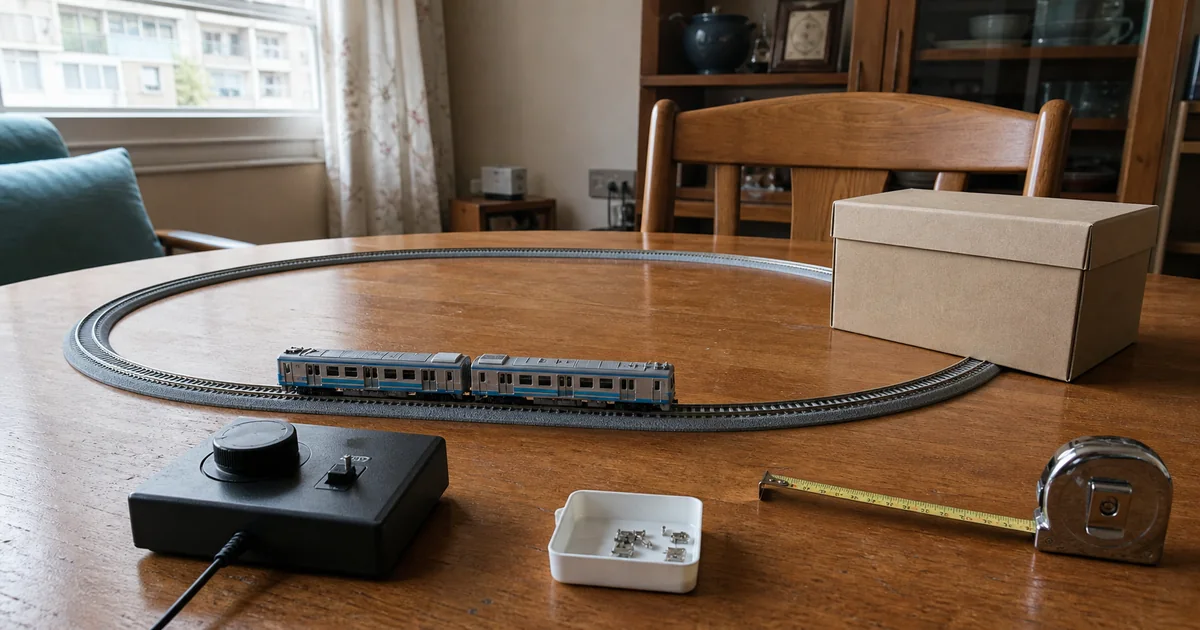
Verify the powered train, exact box contents, radius, footprint and power chain before buying or energizing the first loop.
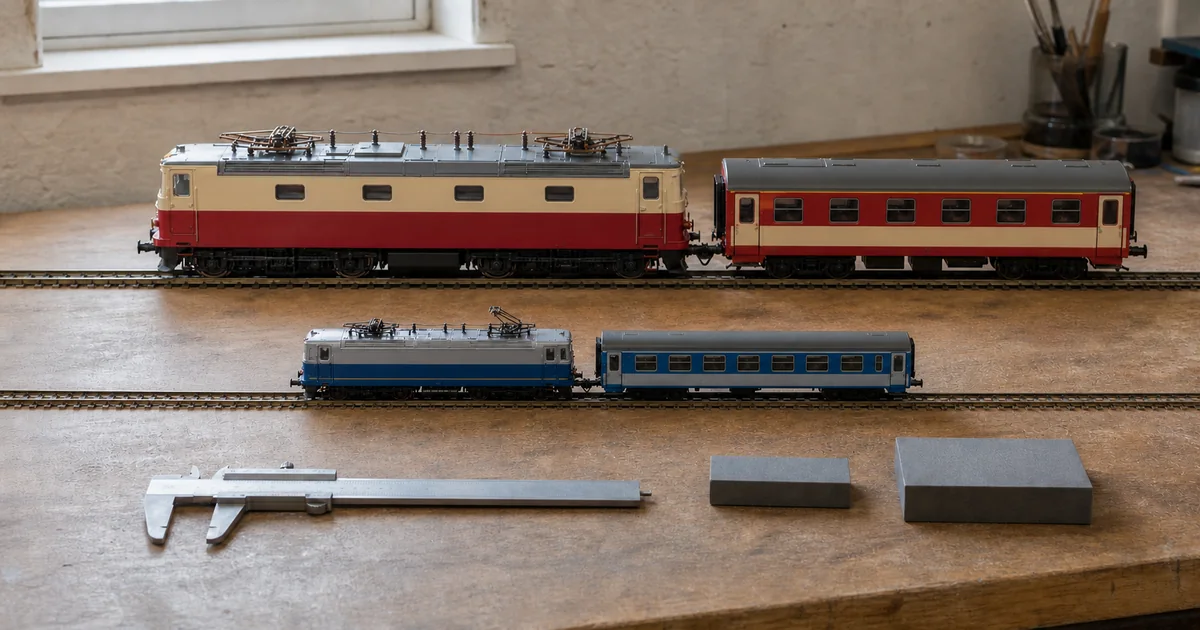
Use a four-gate ledger for space, wanted models, operation and handling—then draw both plans before choosing a fleet.
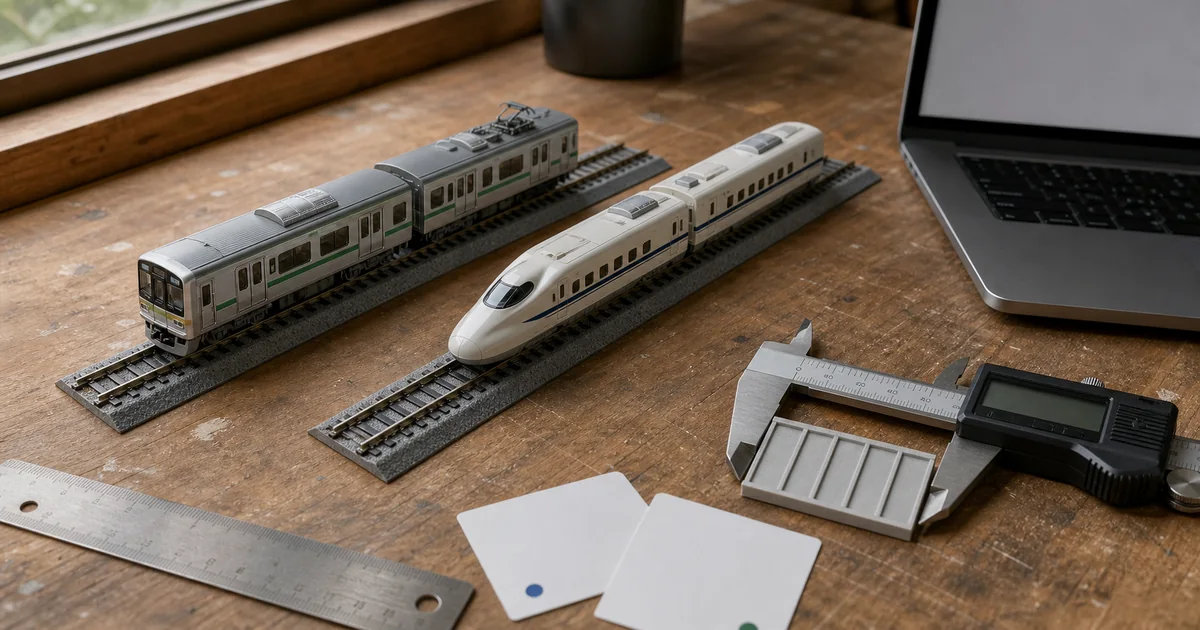
Convert both ways, rescale a 3D file, then use the scale passport and four acceptance gates before buying or printing.
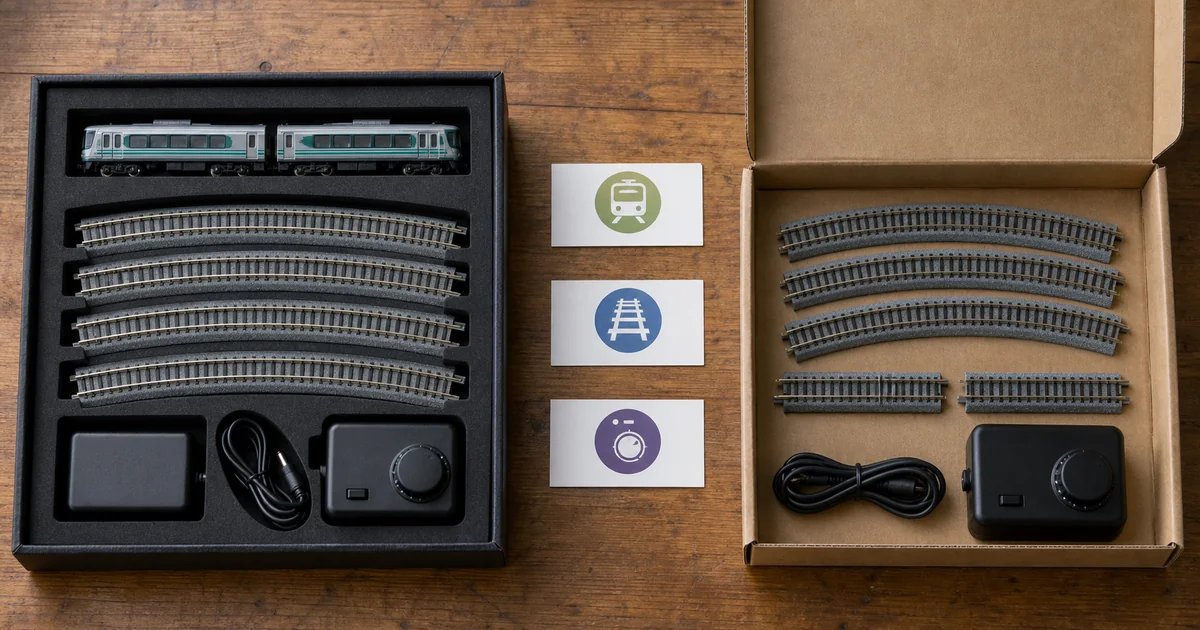
Audit the exact box, space and power chain, then use four Go / No-Go gates to prove the first loop before expanding.
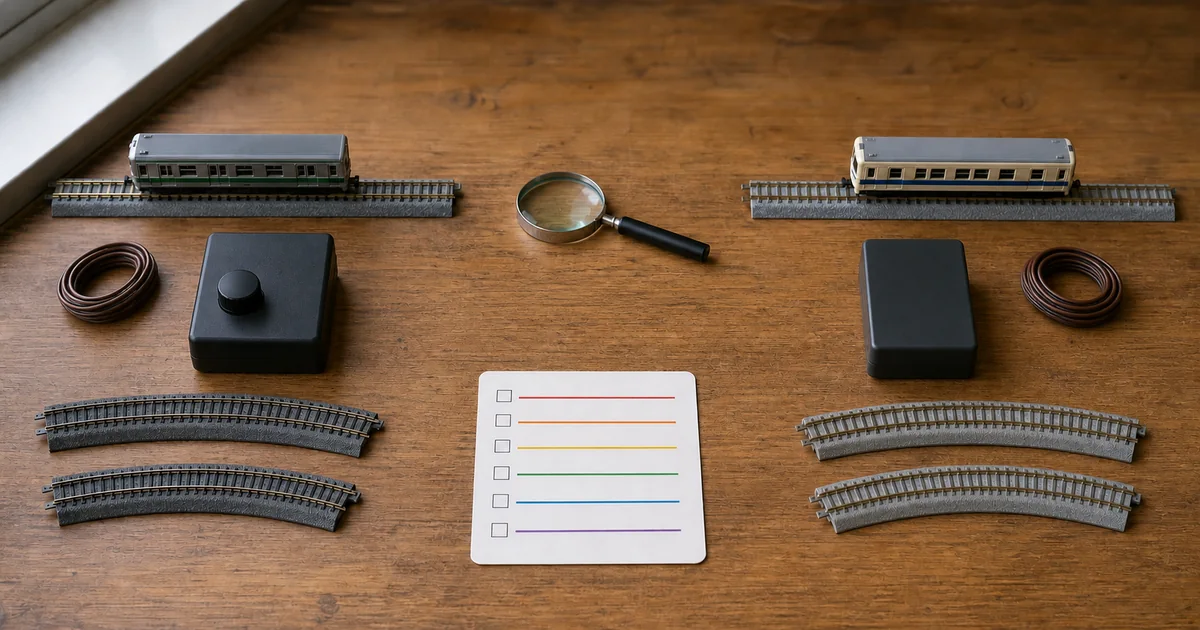
Compare one real layout, pass five hard gates, then preserve every mixed-system boundary with a change-controlled passport.
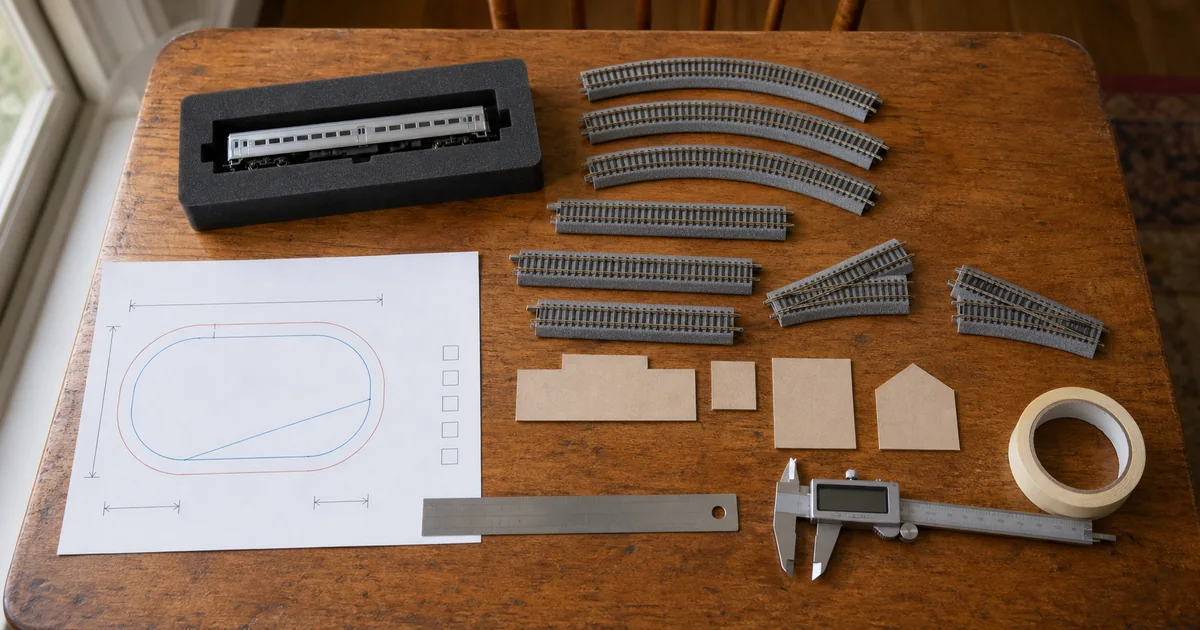
Move from requirements to geometry and wiring, then freeze a traceable plan only after paper, temporary-track and full-train proof.
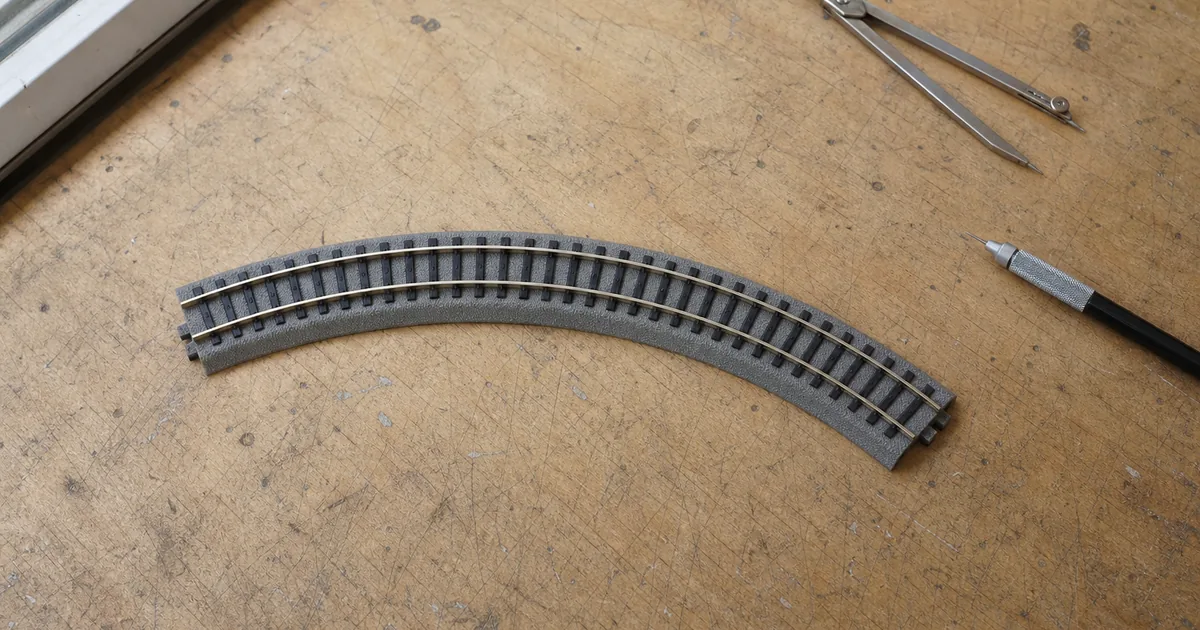
Choose from exact vehicle evidence, calculate the footprint, then release one proven route-and-train pair with change control.
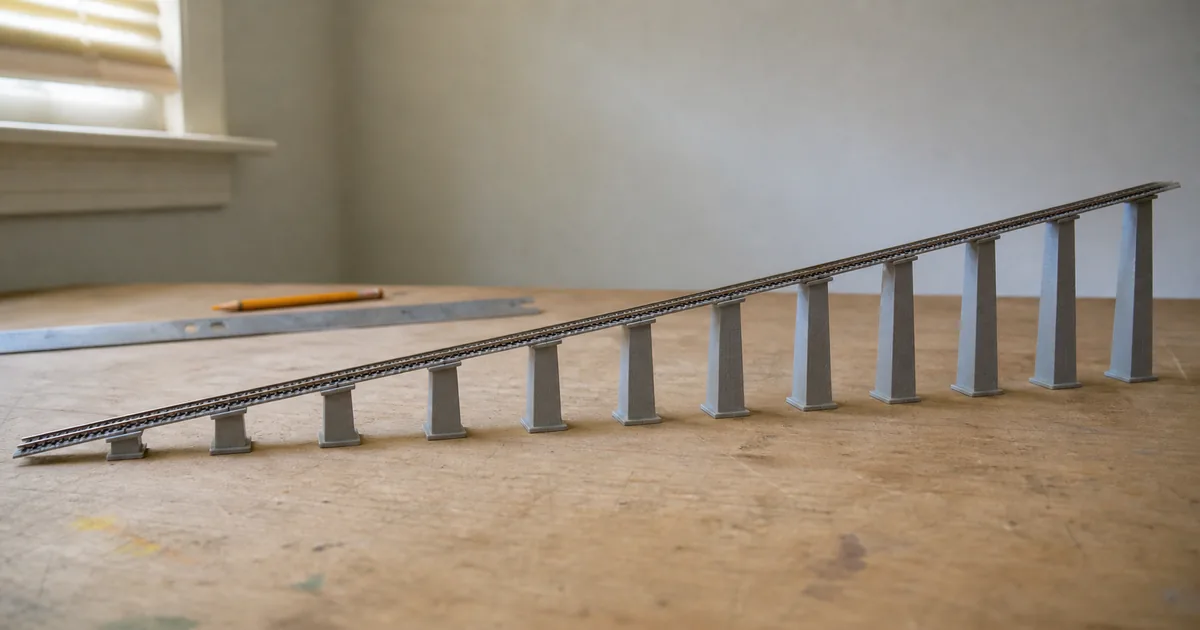
Calculate the grade, budget both vertical easements, then accept the complete route with your governing train.
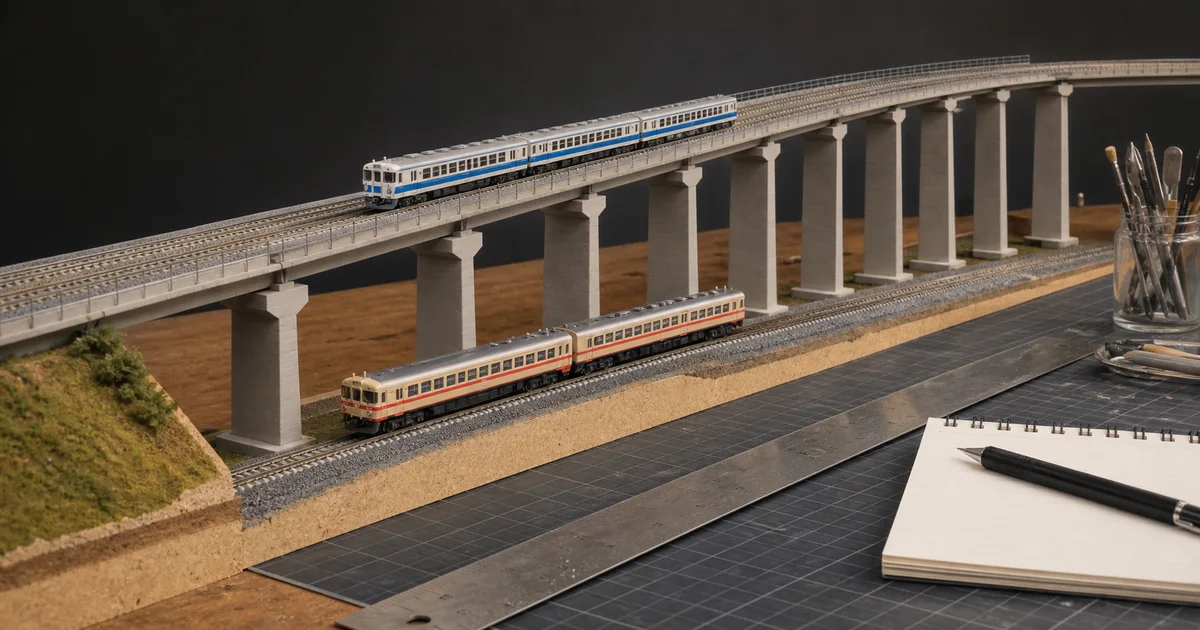
Budget train clearance, deck depth and ramp run, then release the complete over-under route through four gates.
Separate system geometry from vehicle sweep, calculate the measured gap, then release the two-train route.
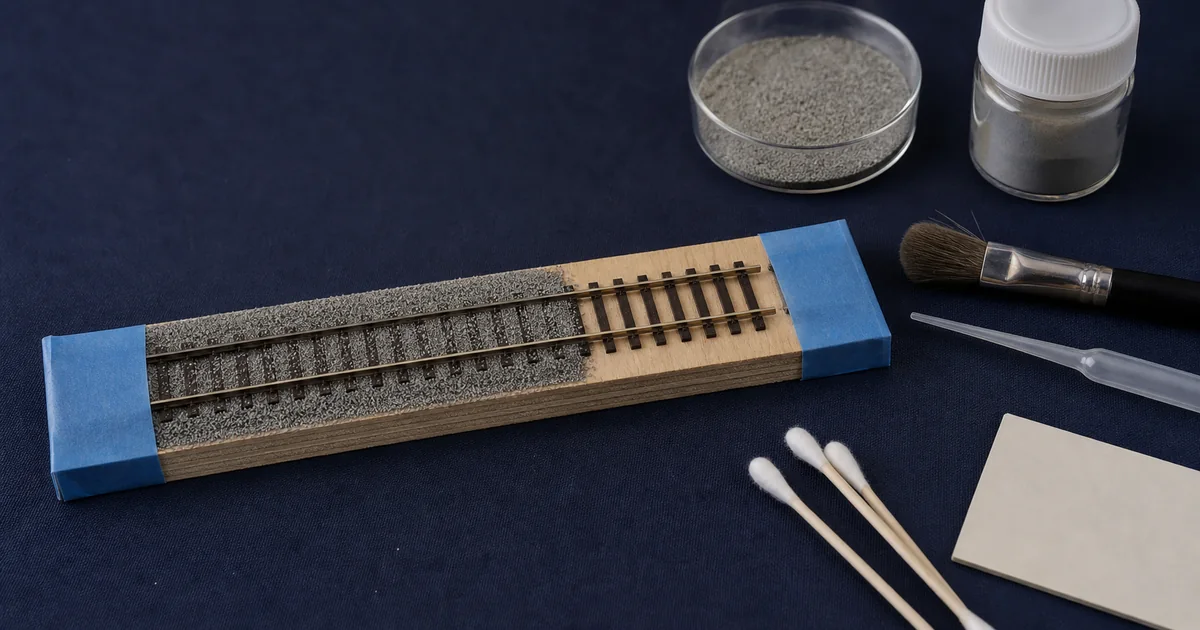
Convert rail height, separate Atlas from PECO design claims, then release the fleet and every mixed-code boundary.
Choose by route topology and change frequency, estimate plain-track joints, then release every hybrid boundary.
Choose the complete support stack, calculate every height transition, then release the installed route before ballast.
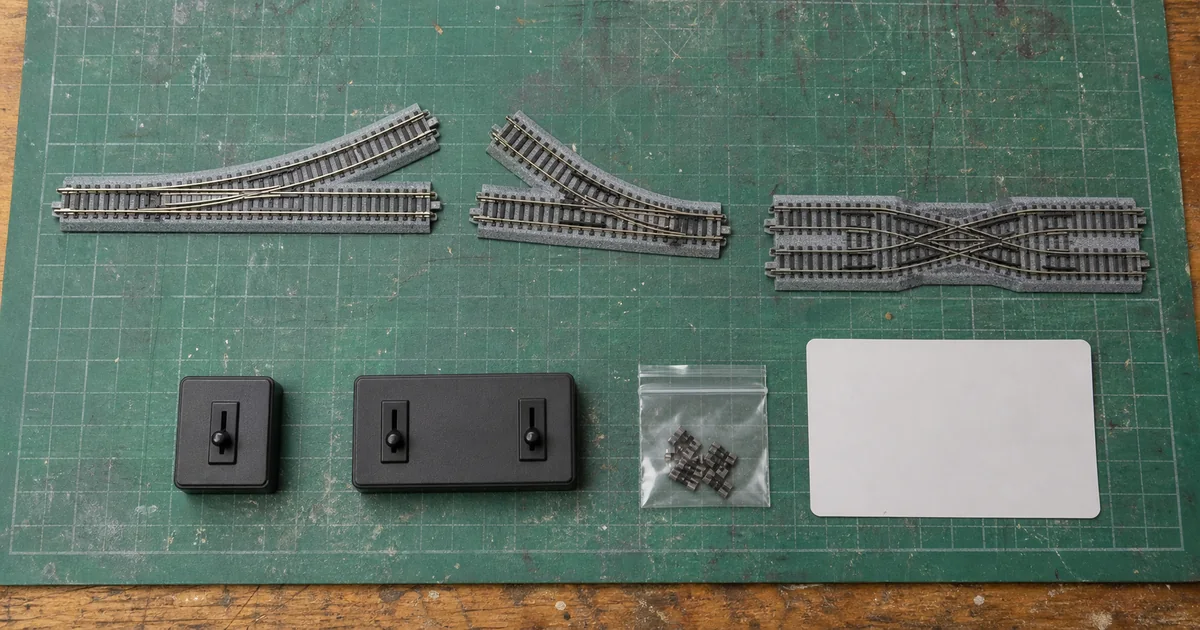
Separate pickup stalls from polarity shorts, calculate the bridge margin, then release every turnout route.
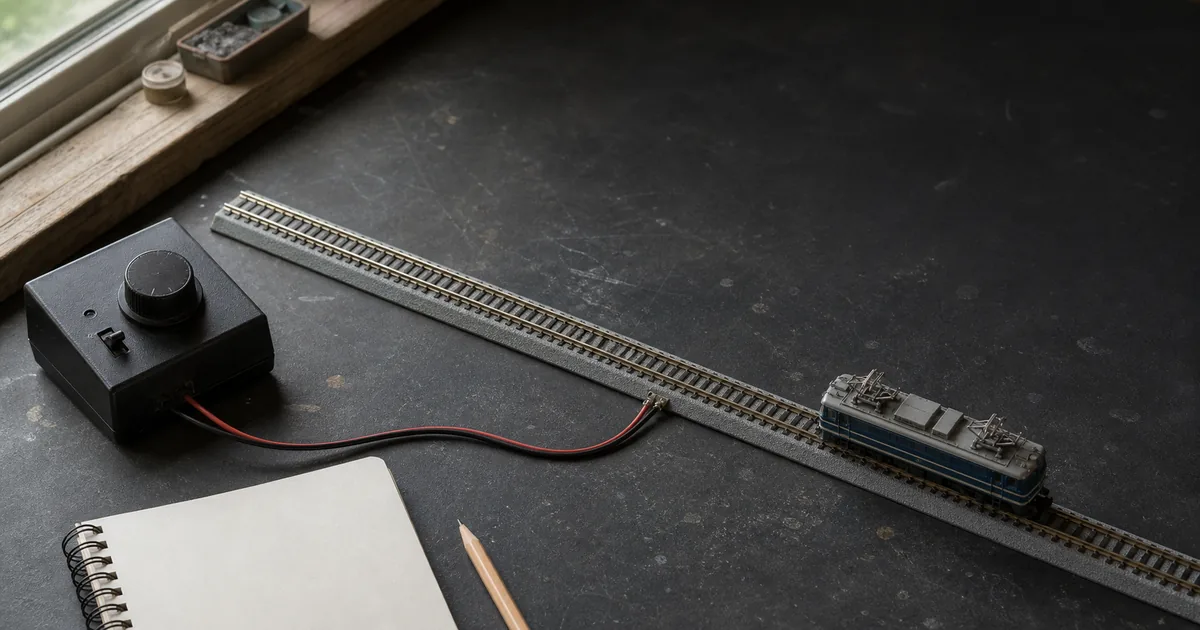
Trace the rails, size the isolated section for the whole conductive train, then release every boundary event.
Separate capacity from fault protection, screen measured load, then release each protected subdistrict at its farthest rails.
Expose one decoder, preserve the baseline, then verify or roll back every controlled CV change.
Match the exact chassis and decoder, prove motor isolation, then commission every function before release.
Measure uncoupled drift, tune one supported speed-control layer, then release both directions before consisting.
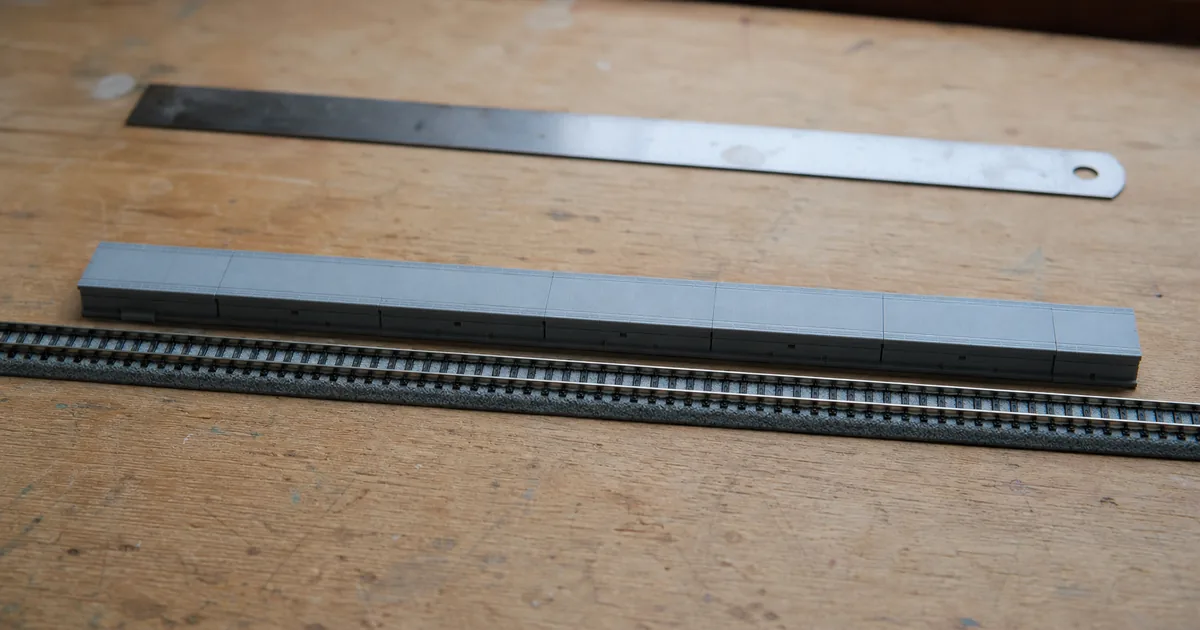
Size the usable edge, separate it from siding length, then accept the complete station with the actual train.
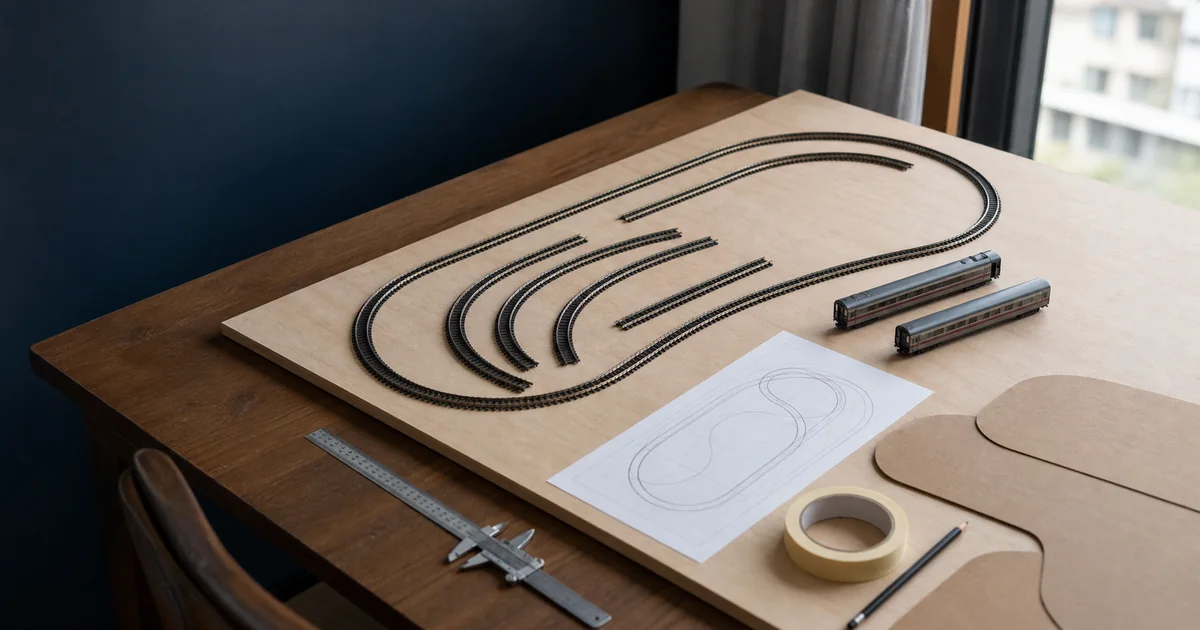
Choose stock before track, calculate the real footprint, then pass a six-step temporary-layout acceptance test.
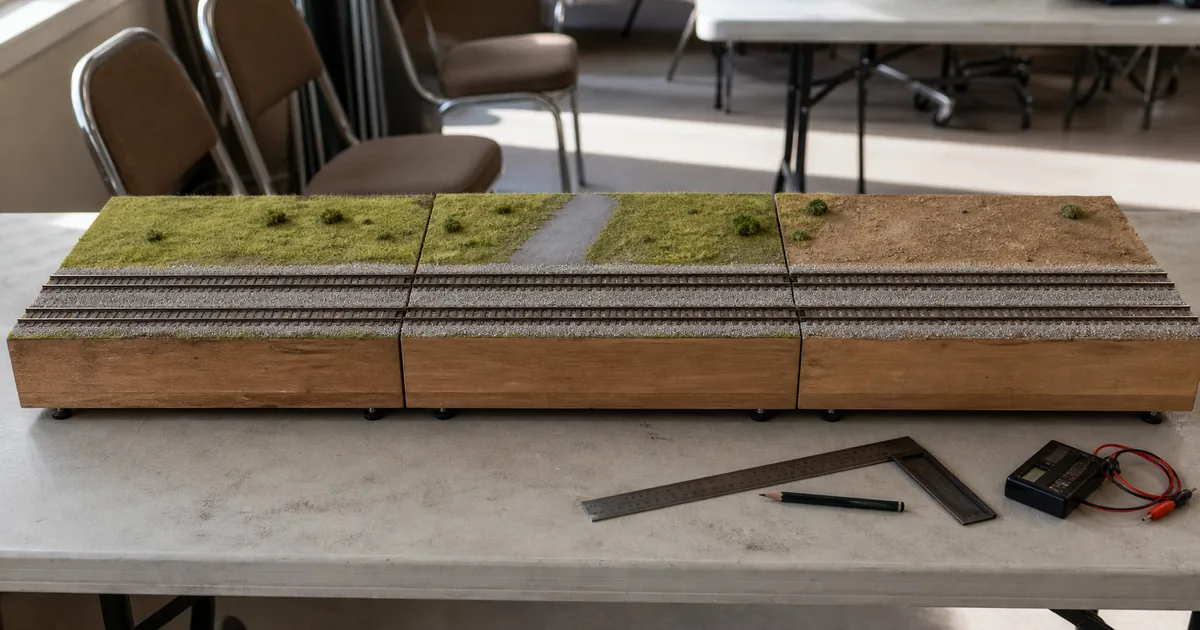
Separate frame from track, validate BWWB, then pass a four-gate host acceptance card before scenery.
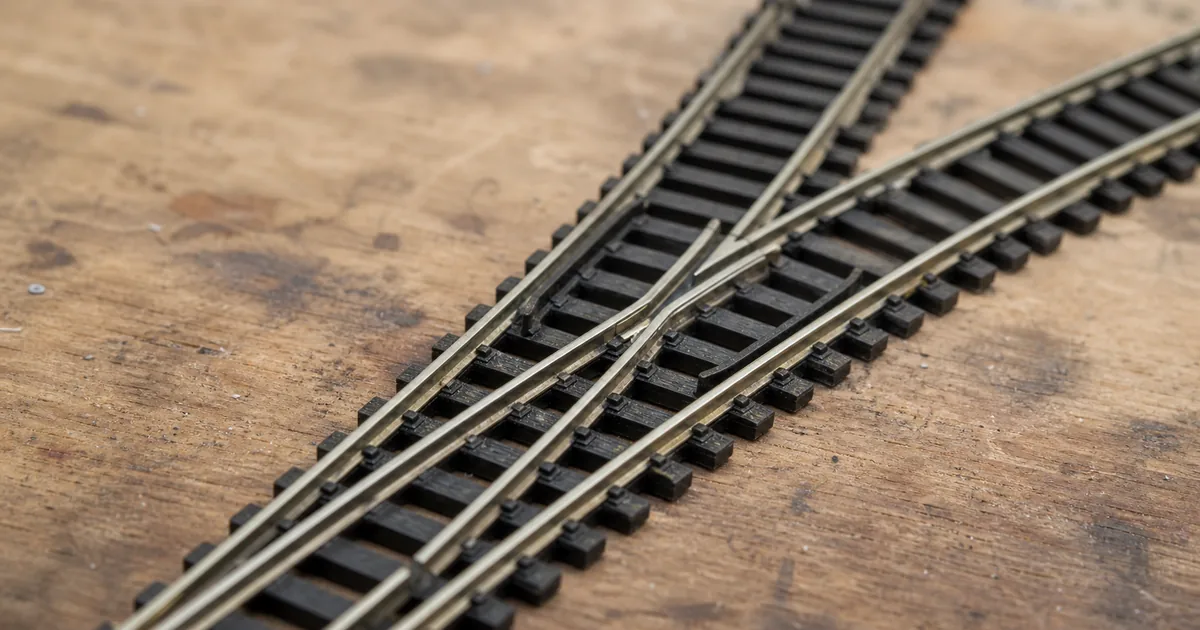
Compare complete R481/R718 geometry and documented power behavior, then accept the route with your actual trains.
Decode PR/PL, R541/R280 geometry, track centres and fully selective power, then prove the complete route with your actual trains.
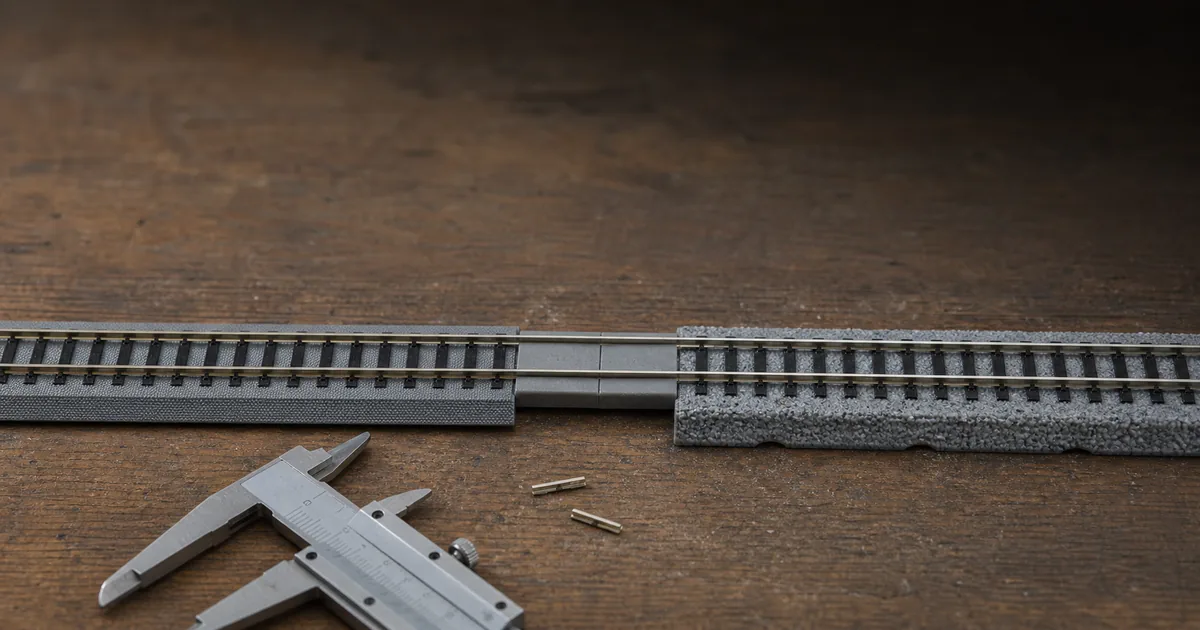
Choose one official adapter path, preserve both geometry grids, then prove vehicle, power and magnetic-component boundaries before scenery.
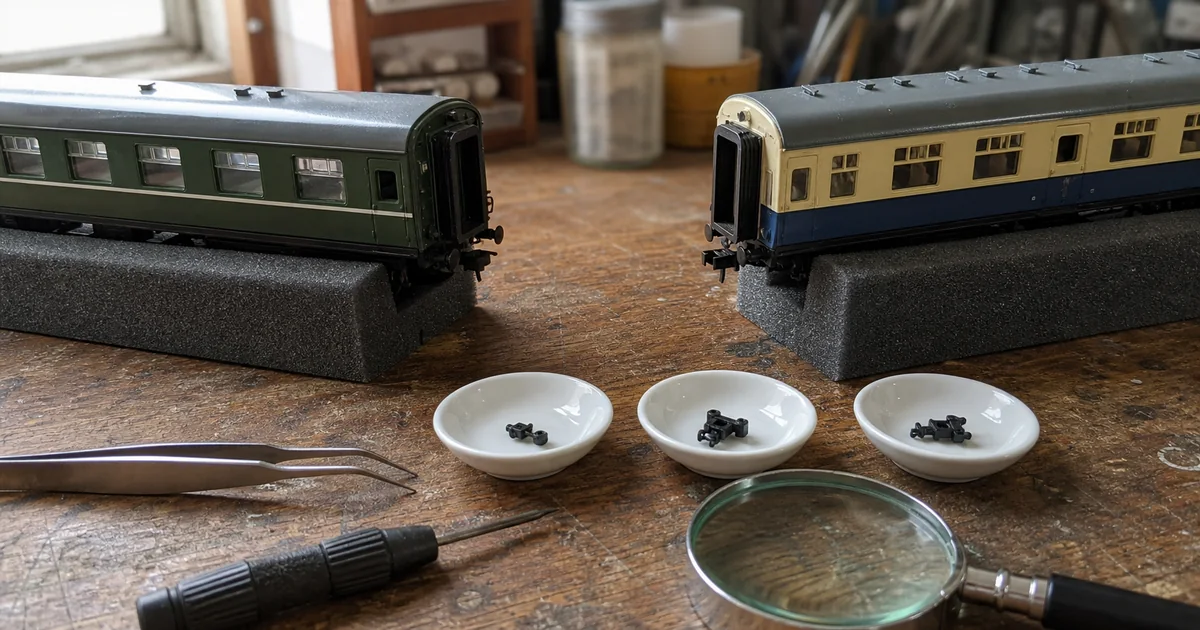
Prove one car-end boundary through four gates—mates, mounts, aligns and survives—before changing Arnold, KATO or TOMIX TN.
Separate contact, routing, load and true voltage loss with a six-step test, then pass a feeder Go/Hold/Stop gate.
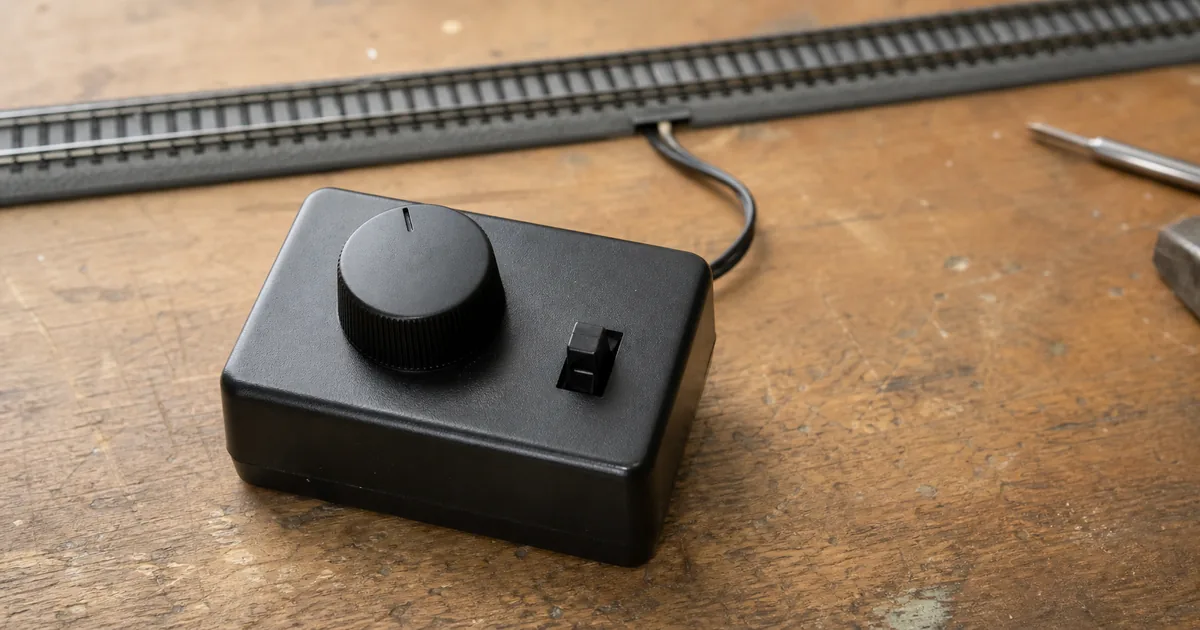
Compare real load and regional adapters, then record the complete chain with a passport and substitution gate.
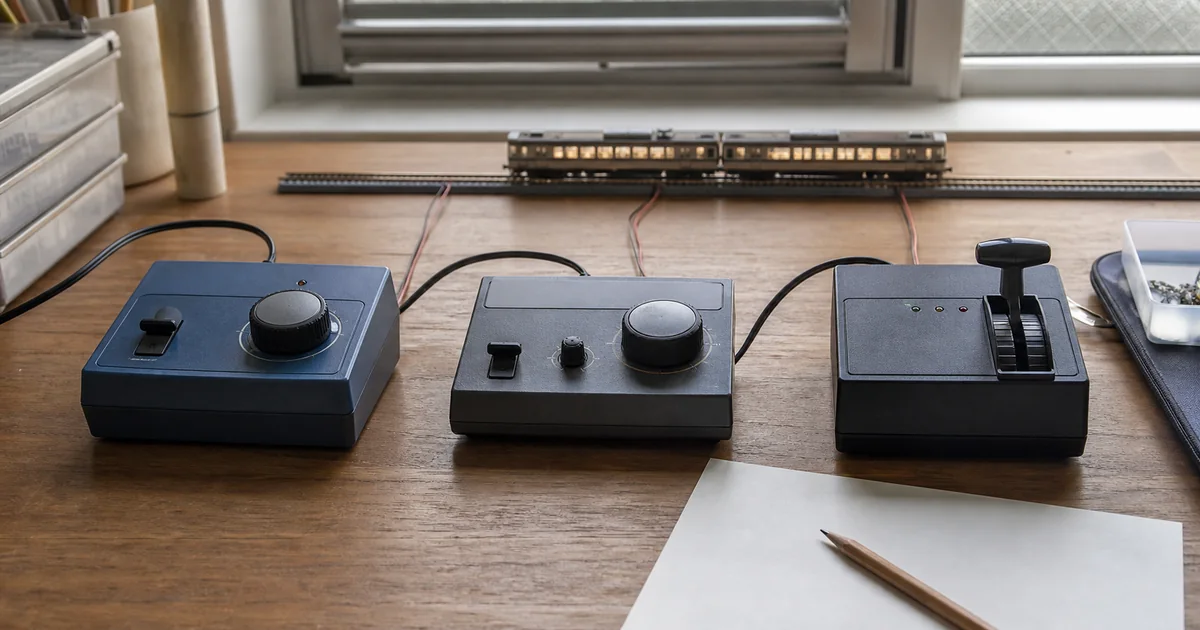
Choose by CL, load and driving interface, then prove the stopped-light result and preserve the accepted power-chain passport.
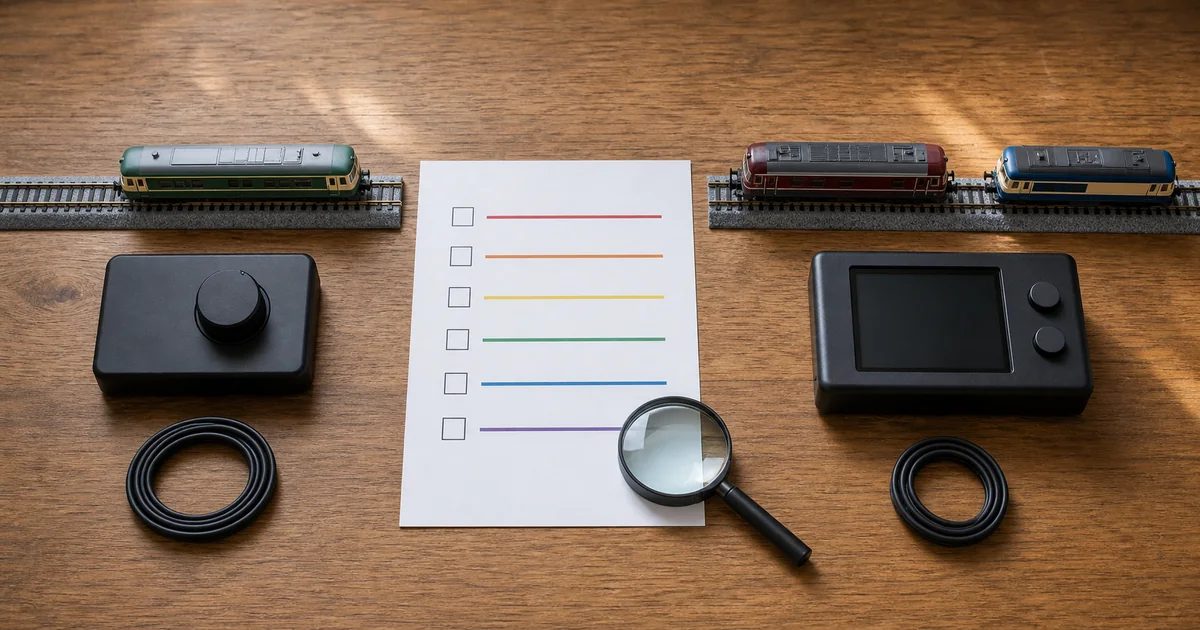
Choose by operating goal, then audit every powered vehicle for decoder support, motor isolation and system-specific risks.
Verify one exact vehicle and decoder, isolate the test setup, program one address and prove every function before expanding the fleet.

Verify the exact vehicle, pickup parts, colour and stopped-light controller path, then prove one car before buying a full formation.
No universal glue ratio: choose the product first, map turnout red zones, then pass a pre-glue Go/No-Go check.

Choose a terrain shell, size the vegetation, protect service access, then pass a permanent-glue Go/No-Go gate.

Track every layer with a finish-stack passport, then release the finished vehicle through a recorded operational check.
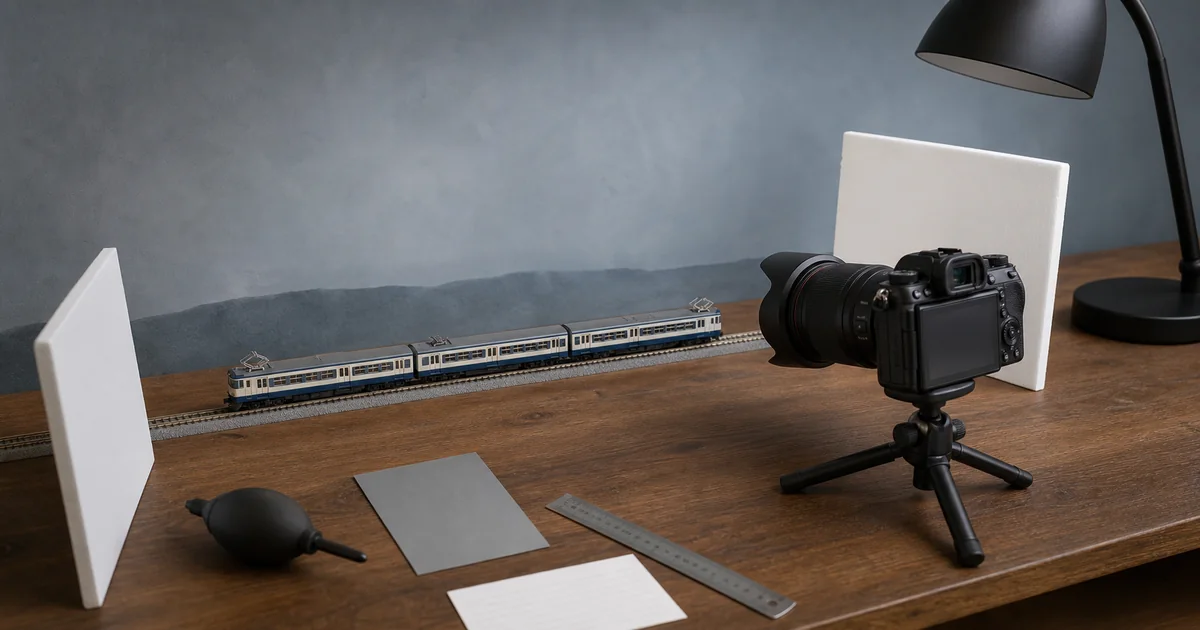
Choose the shot, diagnose blur and flicker, then release comparable frames through a five-gate evidence check.
Separate track sections, detector channels, reporting addresses and logic, then release every boundary with real rolling stock.
Match actuator, output duty, current and power first, then release the address, local controls and physical route.
Choose the membership method, screen address conflicts, then release direction, functions and a clean return to solo control.
Separate key, output, effect and consist routing, then release one recoverable mapping through a full state grid.
Identify reset scope, screen missing evidence and restore settings in tested groups before fleet release.
Check system ranges, preserve CV29 bits and record a recoverable address change without confusing control identity with road number.
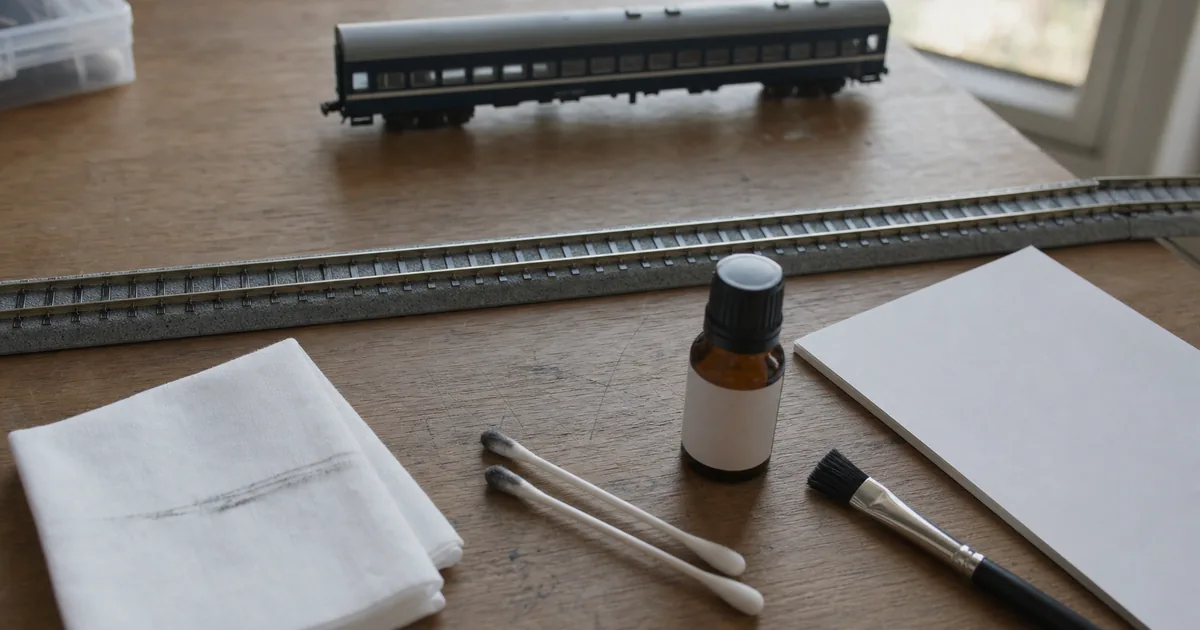
Cross-test the location and vehicle, clean one confirmed target, then repeat the same run.
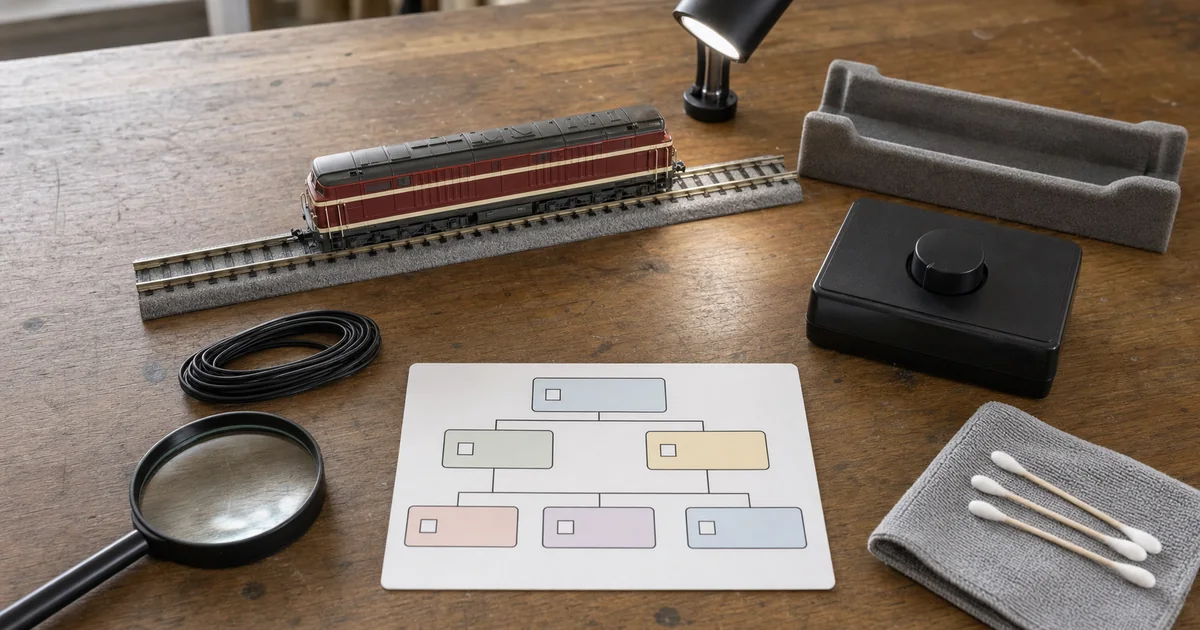
Use two controlled tests to separate train, location, interaction and common-system faults before cleaning or dismantling.
No guides in this category yet.